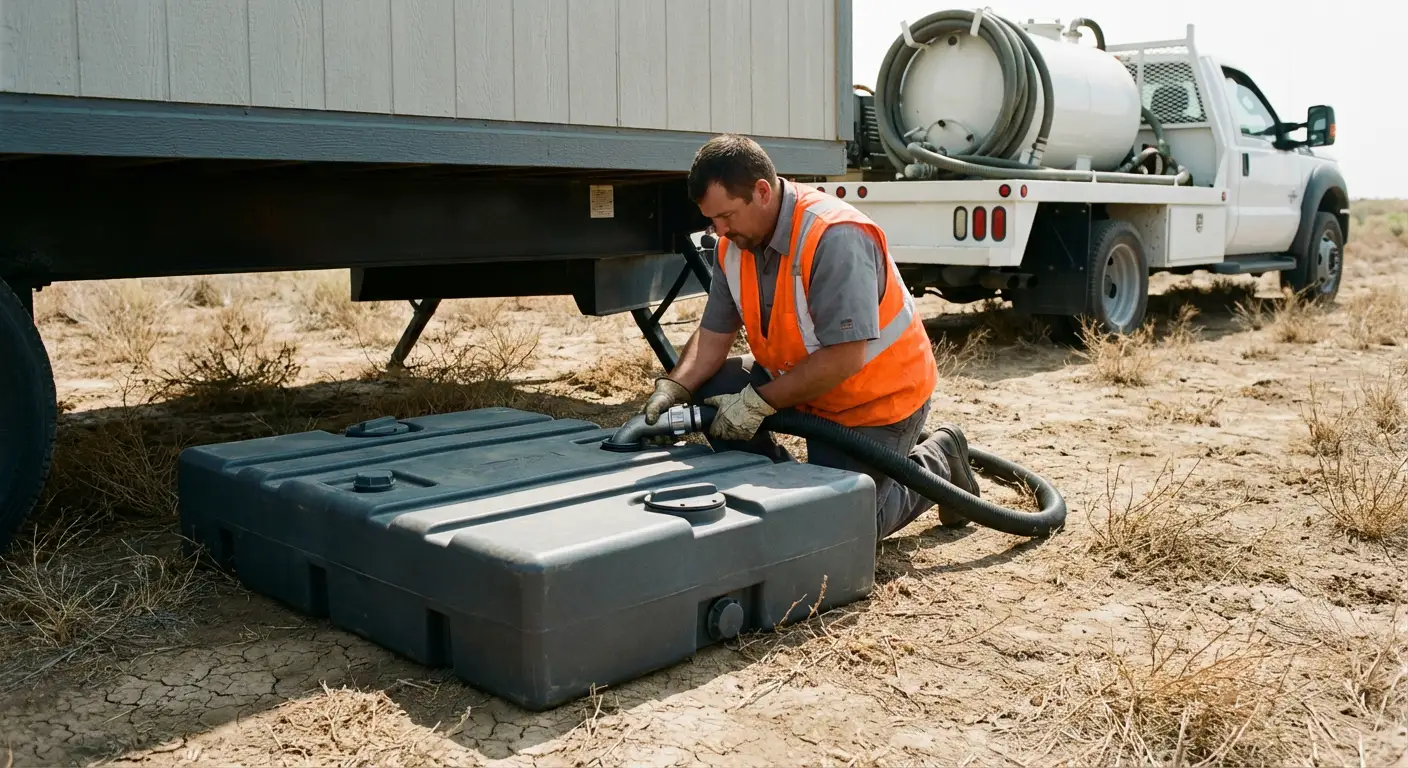
Woburn DIY Composting Toilets vs. Professional Chemical Units

Tanner City Portables in Woburn, MA, offers expert insights on DIY composting toilets versus professional chemical units. Serving neighborhoods around Woburn with varying climates, we highlight the benefits of chemical rentals for event safety and OSHA compliance, ensuring a hygienic solution that suits local conditions and regulations.

DIY Composting Toilets vs. Professional Chemical Units

After that brutal January blizzard in 2008, I saw projects in Woburn stall because crews couldn’t get a clean, usable toilet where they needed one. That’s when the difference really hit home: a DIY composting toilet might look simple on paper, but on an active site it demands constant attention, the right venting, dry conditions, and a crew that knows how to manage odor and overflow. We’ve handled enough cold-weather jobs to know what holds up and what turns into a mess.
  • DIY composting setups fit light, low-traffic use, but they get fussy fast once the weather turns wet or frozen.
  • Professional chemical units give you a contained system with hauling, sanitation, and regular servicing built in.
  • For jobsite planning, we think of professional sanitation in Woburn, MA as logistics first, not just a box in the dirt.
That’s why we steer customers toward a managed unit when the worksite needs reliability. Our standard construction unit in Woburn, MA and waste holding tank in Woburn, MA take the guesswork out of servicing, and we get it there fast so you can get back to work.

Key Considerations

  • We frame the choice around real jobsite conditions in Woburn, MA, not theory.
  • We explain why DIY composting setups handle some short-term uses, but struggle when traffic, weather, and cleanup start stacking up.
  • We contrast that with professional chemical units and the service discipline behind them, using internal links where they fit naturally.
  • We keep the tone first-person, practical, and tied to Brendan O’Malley’s experience after the 2008 January blizzard.
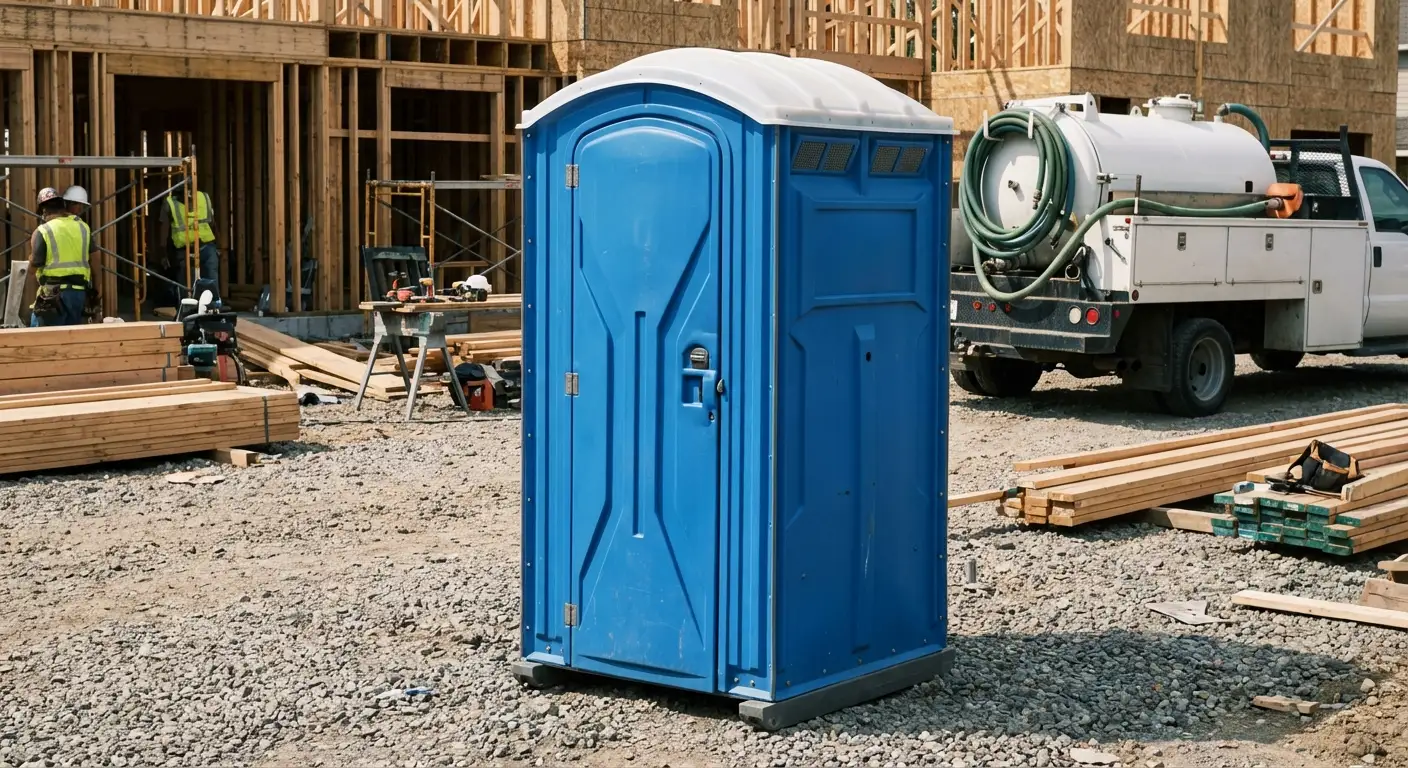
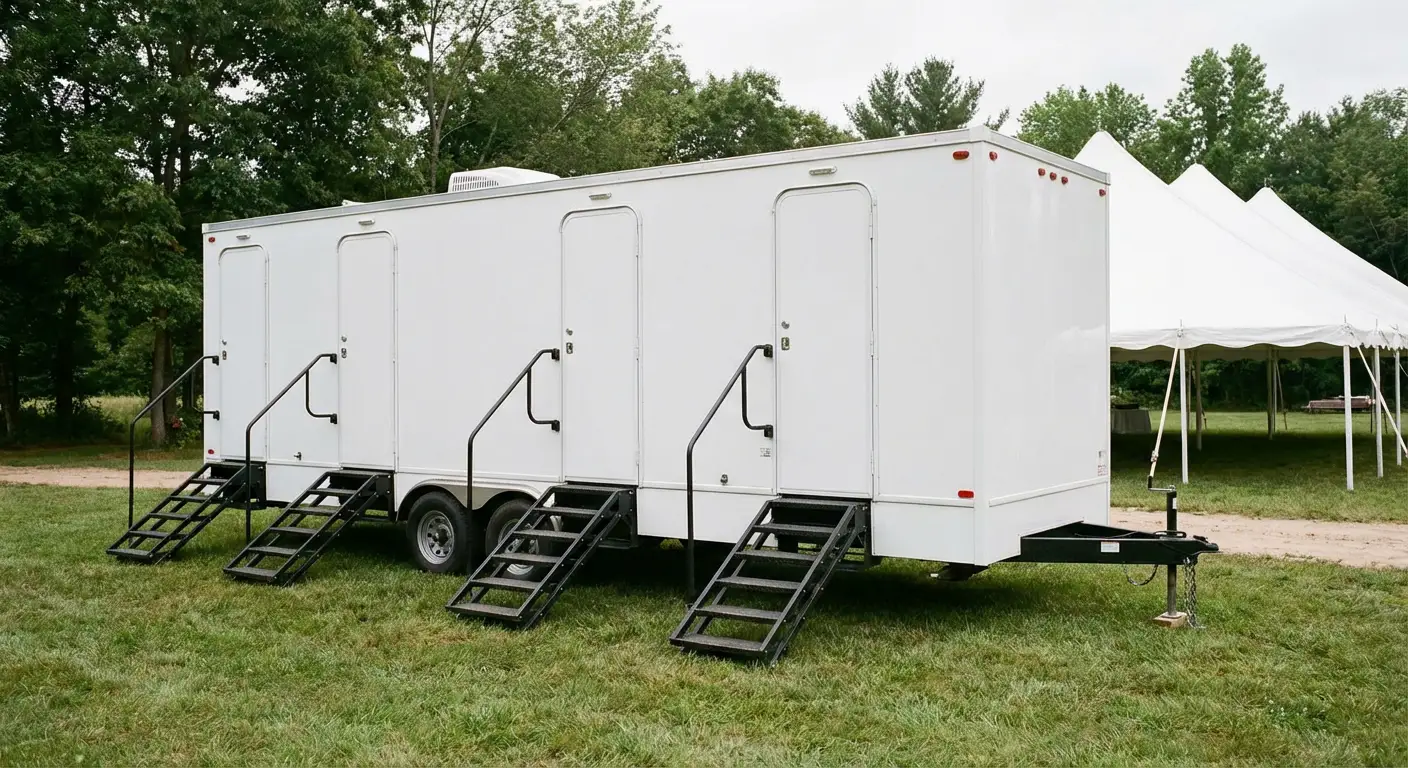
Comparing Waste Management Solutions

Evaluate options based on event scale and location.
Excluded Service Reason for Exclusion Alternative Recommendation
DIY Composting Toilets Requires frequent maintenance Not for high-use events
Professional Chemical Units EPA-compliant waste treatment Ideal for public events
DIY Composting Toilets Limited odor control Avoid in urban areas
Professional Chemical Units Hygienic and sanitary Best for commercial use
DIY Composting Toilets Space and setup needed Suits rural properties only

DIY or Pro? Composting Toilet Solutions in Woburn

Professional units deliver consistent sanitation for construction and outdoor event needs.

DIY Composting Toilets vs. Professional Chemical Units: What Works Best in Woburn?

I remember a winter in Woburn when the cold hit hard and DIY composting toilets froze up, leaving crews scrambling. Composting units look good on paper—no chemicals, more eco-friendly—but they demand a lot of upkeep and proper ventilation, especially in our chilly New England weather. On the other hand, our professional chemical units handle waste efficiently with sealed tanks, odor control biocides, and fresh water flush options that keep things sanitary and easy to manage. When you’re juggling tight schedules and OSHA safety standards, having a reliable chemical unit from Tanner City Portables gets the job done fast and clean. For details on setup and maintenance, check out our ventilation stack design and odor control biocides guides.

Key Considerations for DIY Management

  • Assess your site conditions to decide between composting and chemical units
  • Consider frequency of maintenance and waste removal needs
  • Evaluate odor control requirements specific to your location
  • Check local regulations for portable sanitation compliance
  • Think about ease of installation and mobility on site
  • Plan for water access if opting for chemical flush units
  • Prepare for winterization if you’re in cold climates like Woburn, MA

What we’ve learned comparing DIY composting toilets with professional chemical units

Around Woburn, we’ve seen the difference up close: DIY composting toilets sound practical until weather, traffic, and maintenance show up. A chemical unit fits real jobs because it’s built for fast placement, controlled odor, and regular servicing. We set them where crews can reach them without wasting steps, and we keep the waste side predictable. That’s the whole reason we trust the professional route on active sites.

  • Match the toilet to the job, not the idea

    We see a lot of folks compare a DIY composting toilet to a professional chemical unit like they're the same tool, and they really aren't. A composting setup needs careful separation, airflow, absorbent material, and steady maintenance. A chemical unit gets dropped, stocked, pumped, and used. For a muddy Woburn site or a winter setup, we lean on the unit that keeps the crew moving without asking them to manage a science project in the cold.

    In Practice

    On a January job, the crew didn't have room for a homemade setup, so we placed a standard construction unit and kept the trailer access clear.

  • Odor control starts with design and service

    DIY composting toilets often struggle when ventilation, moisture, and waste volume don't stay balanced. That's where smell turns into the whole problem. Professional chemical units use controlled tank chemistry, sealed waste handling, and our regular servicing to keep things predictable. We pay attention to the little details: lid seals, tank fill, and where the unit sits relative to wind and foot traffic.

    In Practice

    We set one unit out of the prevailing wind and paired it with a hand wash station so the whole area stayed cleaner through the shift.

  • Winter and construction conditions change the answer

    Cold weather hits homemade composting systems hard because freezing temps slow breakdown and make ventilation less effective. A professional chemical toilet keeps working in weather that shuts down a backyard experiment. We learned that in the hard months after a blizzard, when crews needed something rugged, easy to service, and ready the minute the site reopened. That's why we think in terms of access, pumping, and durability first.

    In Practice

    We hauled a unit through packed snow with a crane-liftable setup and a steel lifting harness when ground access was a mess.

  • Safety and compliance matter on real sites

    A DIY composting toilet might look low-impact, but if it spills, overflows, or gets cleaned wrong, the mess turns into a safety issue fast. Professional units fit better with OSHA-minded site planning and sanitary waste handling. We keep our own process tight because Brendan's background and our crew's training taught us that sanitation isn't just about comfort; it's about keeping a jobsite moving without extra hazards.

    In Practice

    On a tight build, we used a waste holding tank and followed our sanitation routine instead of leaving workers to improvise a private setup.

We get it there fast, so you can get back to work.

DIY Composting Toilets vs. Professional Chemical Units — Part 2

We’ve seen both setups in Woburn, and the right choice depends on use, weather, and access.

High-Volume Job Sites in Woburn, MA Woburn, MA jobsite comparison scene: a small DIY composting toilet setup beside a clean professional chemical portable toilet, winter construction backdrop, muddy boots, gloves, service truck in the distance, realistic trade photography

Winter Site Access Made the Difference

After a January blizzard hit Woburn, we hauled chemical units onto a site that DIY composting setups couldn’t realistically handle. Frozen ground, limited access, and heavy use don’t leave much room for trial and error. Our crew picked the right unit, placed it fast, and kept the job moving. That’s the part folks forget until the first crowded morning.
Rustic Outdoor Weddings in Woburn, MA Close-up trade comparison of a homemade composting toilet with venting parts and absorbent material next to a professionally serviced chemical unit with handwash station, clean detailing, winter gloves, jobsite realism, Woburn Massachusetts

Service Matters When the Crew Shows Up Early

We’ve seen DIY composting toilets work best in quiet, low-traffic settings where someone’s actually managing them every day. On a busy crew site, the tank loads up fast and odors show up quicker than people expect. Our chemical units get serviced on a schedule, which keeps the place usable when ten guys hit break at once. That difference shows up by the second day.
Long-Term Remote Projects in Woburn, MA Portable sanitation decision scene in Woburn, MA: project manager reviewing site plan with a pro chemical toilet unit, caution tape, snowy equipment, sanitation truck, practical outdoor work atmosphere

Matching the Unit to the Job

A small off-grid cabin and a construction site don’t ask for the same setup, and we’ve learned that the hard way. Composting toilets need the right airflow, dry carbon, and regular attention, while chemical units handle heavier daily use with less guesswork. We help people choose based on traffic, weather, and access, because the wrong call turns into extra cleanup and unhappy workers.

DIY Composting Toilets vs. Professional Chemical Units in Woburn, MA

Compare DIY composting toilets and professional chemical units used in Woburn, focusing on installation, maintenance, and local regulations.

What are the installation differences between DIY composting toilets and professional chemical units in Woburn?
DIY composting toilets require manual setup often in residential backyards, while professional chemical units like those from Tanner City Portables are delivered ready-to-use and placed at event sites or construction areas.
How does maintenance vary between DIY composting toilets and chemical units?
DIY composting toilets need frequent monitoring of compost levels and moisture, whereas chemical units are serviced regularly by companies such as Tanner City Portables, reducing user involvement.
Are there local regulations impacting the use of composting toilets versus chemical units in Woburn?
Woburn follows Massachusetts DEP guidelines limiting on-site composting toilets in some residential zones, while chemical units comply with OSHA standards for temporary sanitation on work sites.
What are odor control challenges in DIY composting toilets compared to professional chemical units?
DIY composting toilets in Woburn neighborhoods can face odor issues if not maintained properly, whereas chemical units use chemical treatments to manage odors effectively.
Which option is more suitable for large outdoor events near the Horn Pond area?
Professional chemical units from Tanner City Portables are preferred for large events near Horn Pond due to capacity, servicing schedules, and compliance with local health codes.
How do environmental impacts compare between DIY composting and chemical toilet units?
DIY composting toilets reduce chemical waste but require space and proper composting conditions, while chemical units produce liquid waste that Tanner City Portables disposes of according to Massachusetts environmental regulations.

Compare DIY Composting Toilets and Chemical Units

Review odor control, waste handling, and compliance differences before choosing a portable sanitation option for Woburn, MA projects or events.

Request Portable Toilet Help

Local support from Tanner City Portables in Woburn, MA.